
Headache syndrome
Tension headaches (tension headaches) are the most common form of primary headache . The incidence of TTH ranges from 30 to 78% .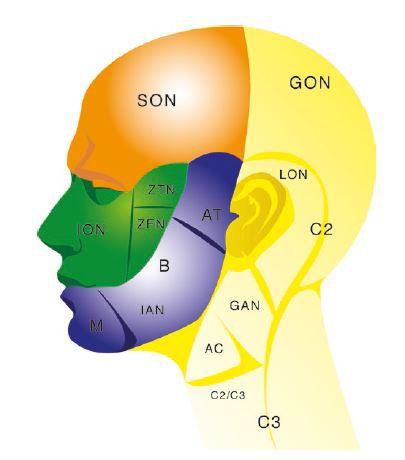
Symptoms of HDN
- bilateral pain, of a squeezing or pressing nature, of mild or moderate intensity, which does not increase with ordinary physical activity, is not accompanied by nausea;
- photophobia (photophobia);
- phonophobia (fear of sound).
Classification of tension headaches
- Episodic (occurrence frequency less than 15 days per month);
- Chronic (occurrence frequency 15 or more days per month).
Both episodic and chronic tension headaches are divided into two types depending on the presence of tenderness and tension in the pericranial muscles.
Sometimes tension headaches are worse than migraines. In addition, people with frequent tension headaches may also suffer from migraines . But, unlike some forms of migraine, tension headaches are usually not associated with visual symptoms, nausea, or vomiting.
With tension headaches, you may experience increased sensitivity to light or sound, but these are rare symptoms.
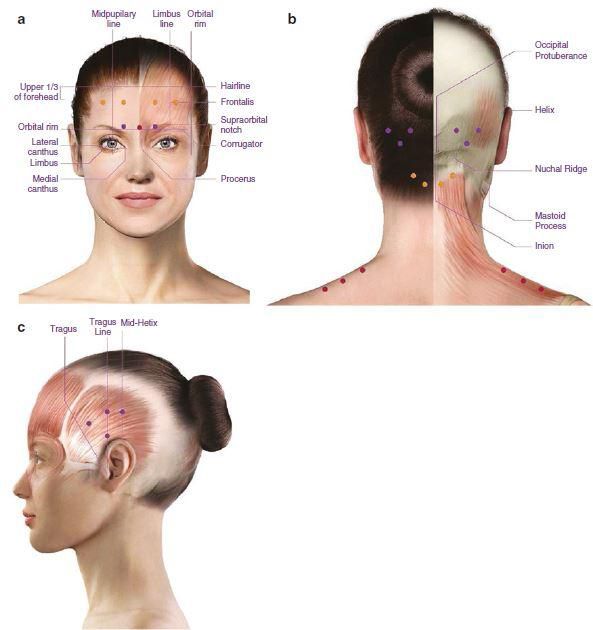
Diagnostics of DBN
This sign is the most characteristic manifestation of tension headache and is detected upon palpation:
- frontal,
- temporal,
- chewing,
- sternocleidomastoid
- and trapezius muscles.
The tension and soreness of the pericranial muscles increase as the intensity and frequency of pain episodes increase.
Treatment and diagnosis of tension-type headache (TTH) is carried out at the neurosurgical department of the Kherson Regional Clinical Hospital .
When to see a doctor?
- If tension headaches disrupt your quality of life.
- If you need to take headache medication more than twice a week.
- If your headache has started to manifest itself differently (sometimes headaches can indicate other, more serious diseases).
Neurosurgeon Nazarenko O.S.